ABEOKUTA–
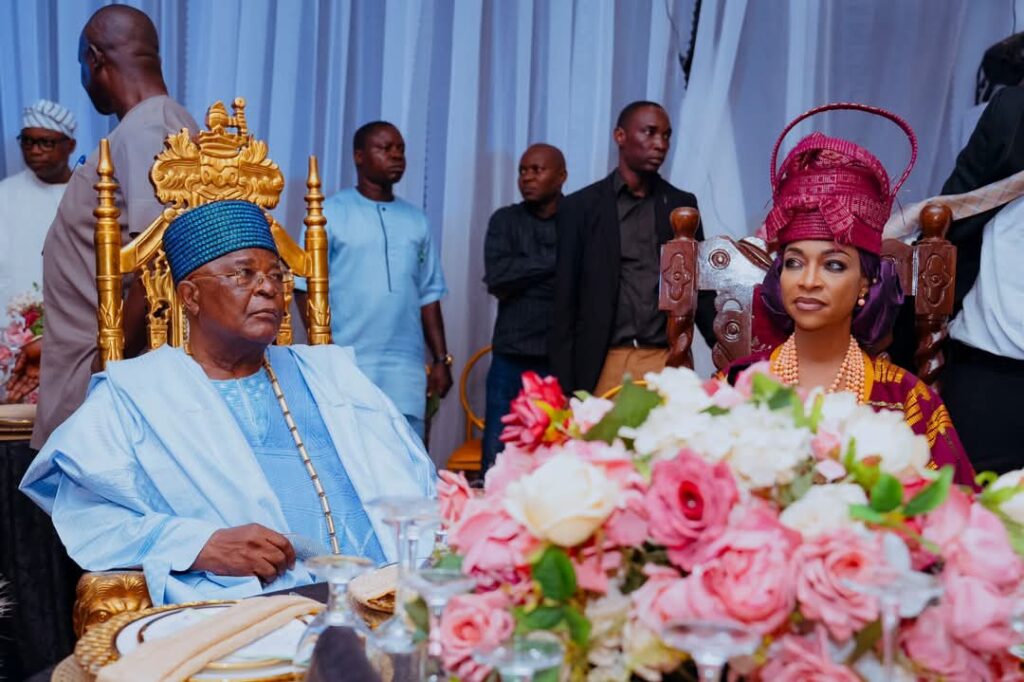
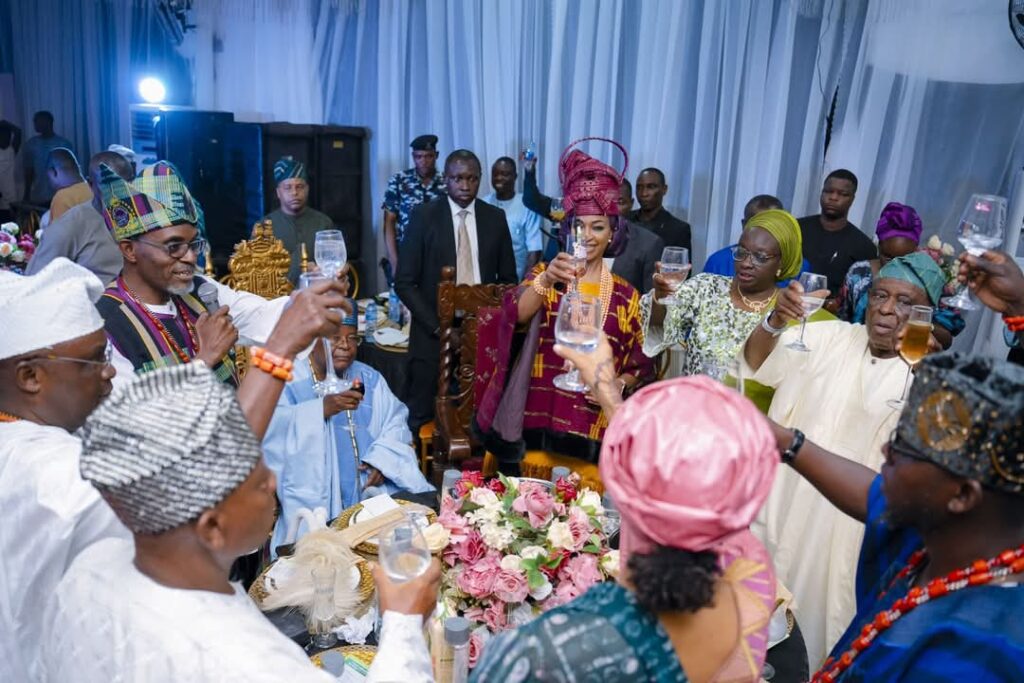
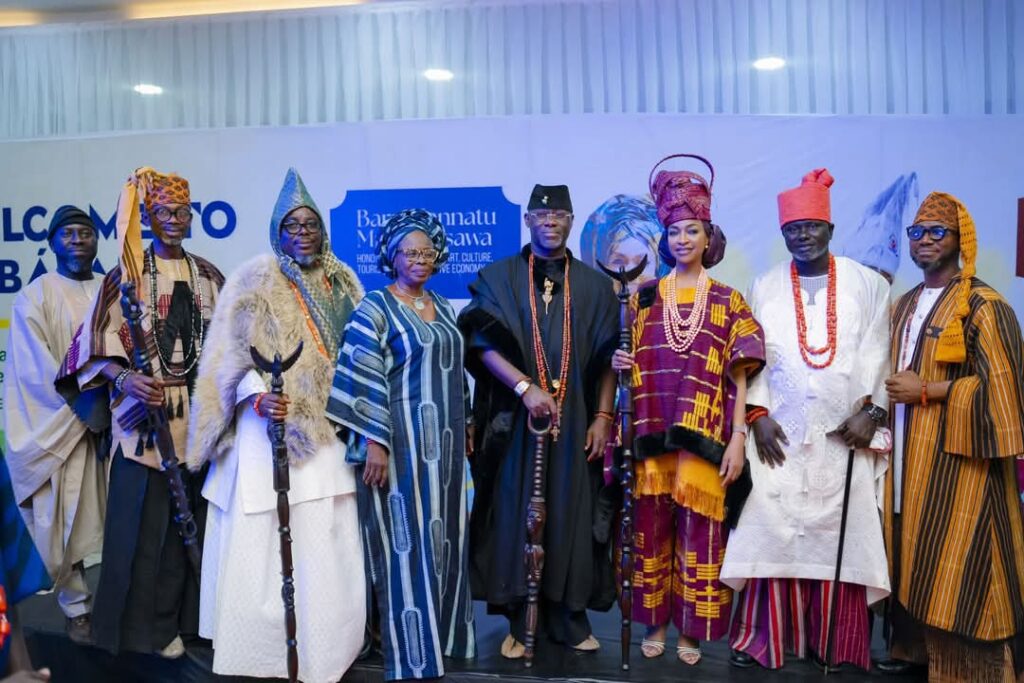
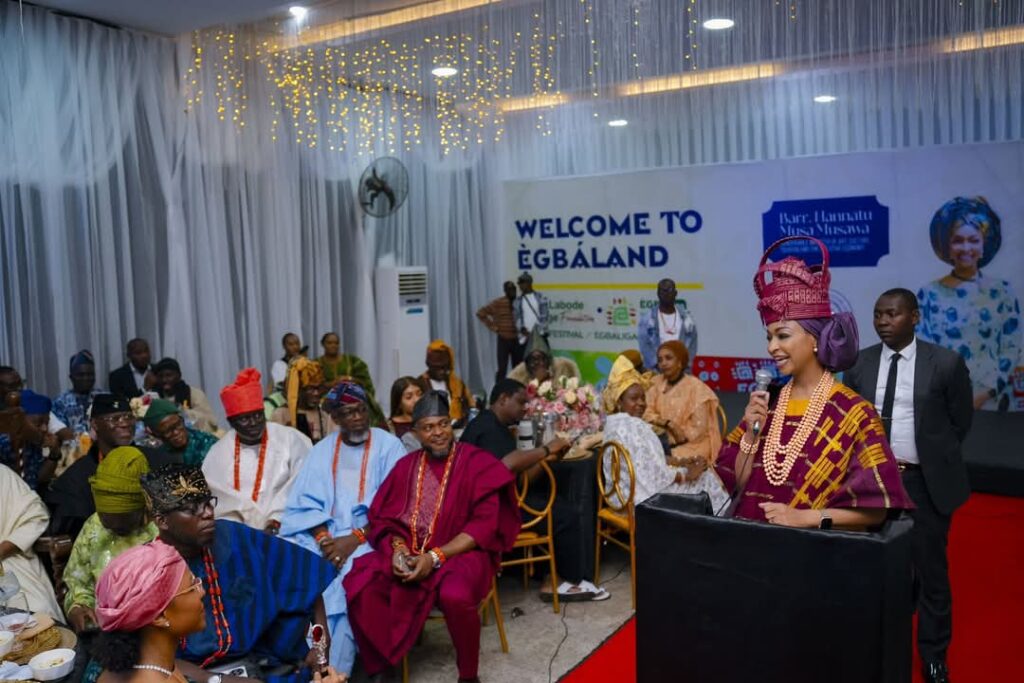
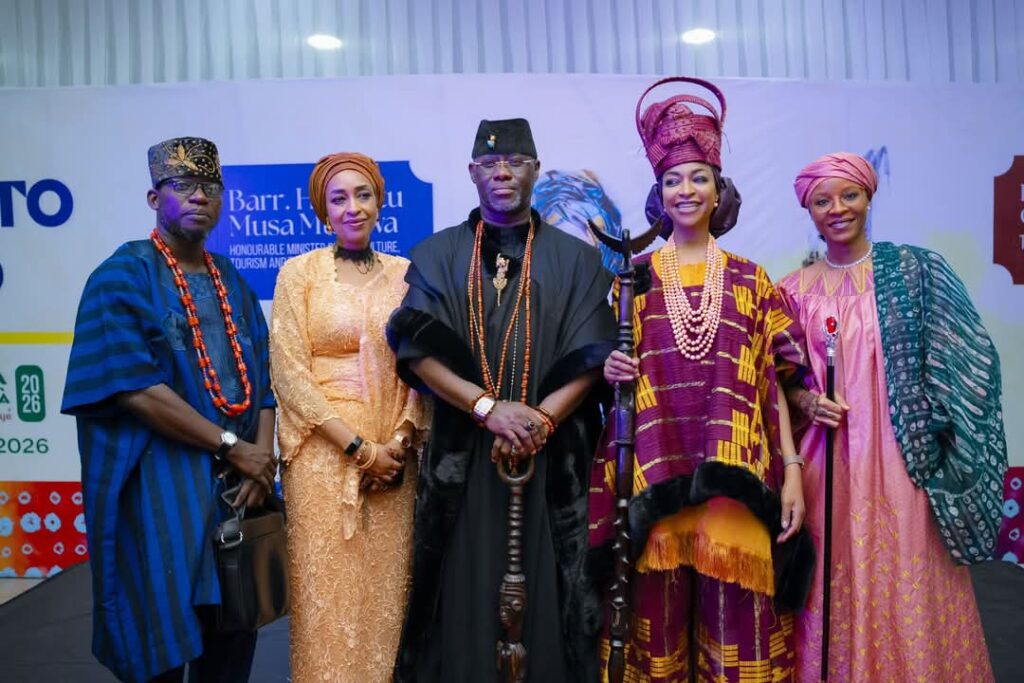
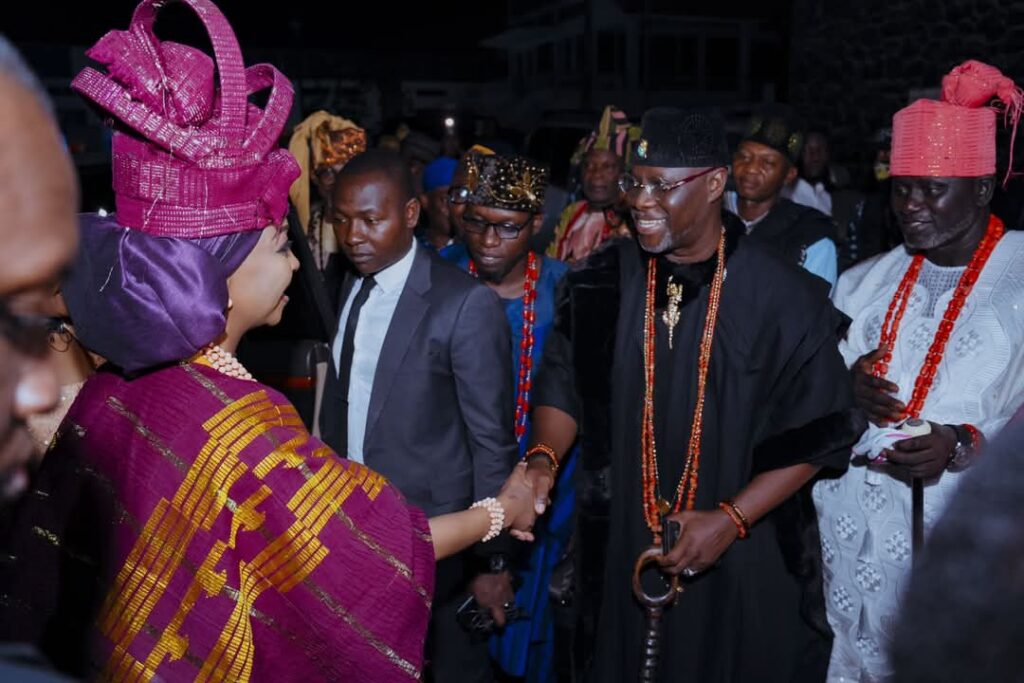
A bold new chapter in Africa’s fashion landscape was ingnited last Saturday in the historic city of Abeokuta- Egbaland, Ogun State, Nigeria, as prominent stakeholders gathered for an exclusive private heritage dinner hosted by Chief Lai Labode, PhD, the Osi Apagun Pote of Egbaland in honour of Nigeria’s Honourable Minister of Art, Culture, Tourism, and the Creative Economy, Barr. Hannatu Musa Musawa.
The evening marked what many would describe as a landmark moment in the growing synergy between cultural heritage and the fashion economy in Africa. At the center of this convergence was the official announcement of a new partnership between the Lai Labode Heritage Foundation and the Ministry of Art, Culture, Tourism, and the Creative Economy to establish the Nigerian Fashion Federation.
Designed to be a national structure inclusive of all states in Nigeria, the Nigerian Fashion Federation aims to position the country at the epicenter of Africa’s burgeoning fashion movement, currently projected as a potential $500 billion economy.
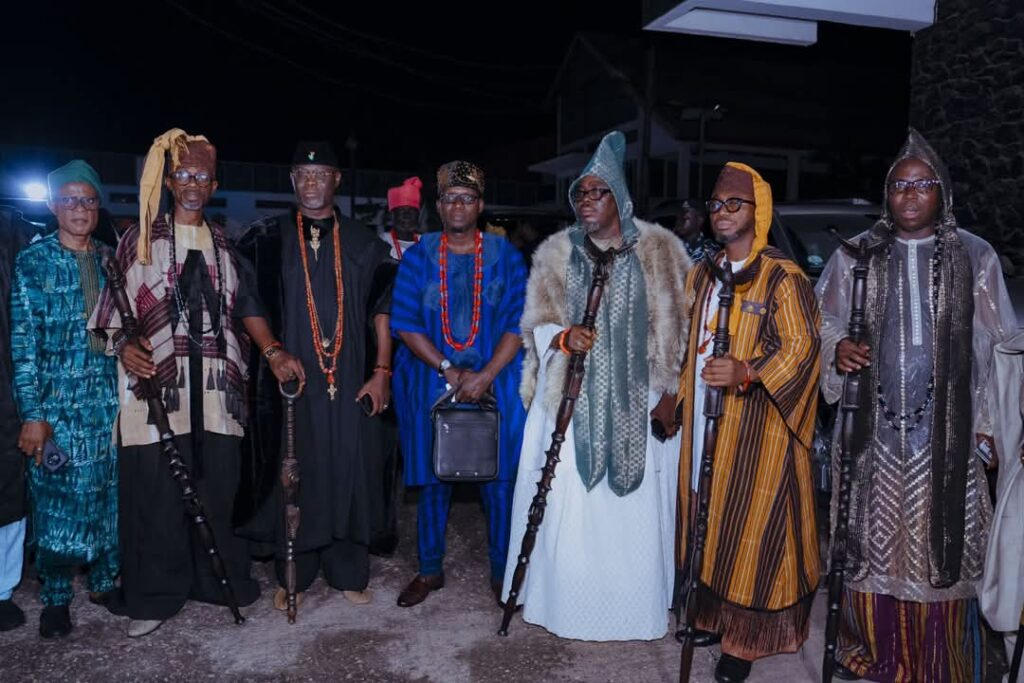
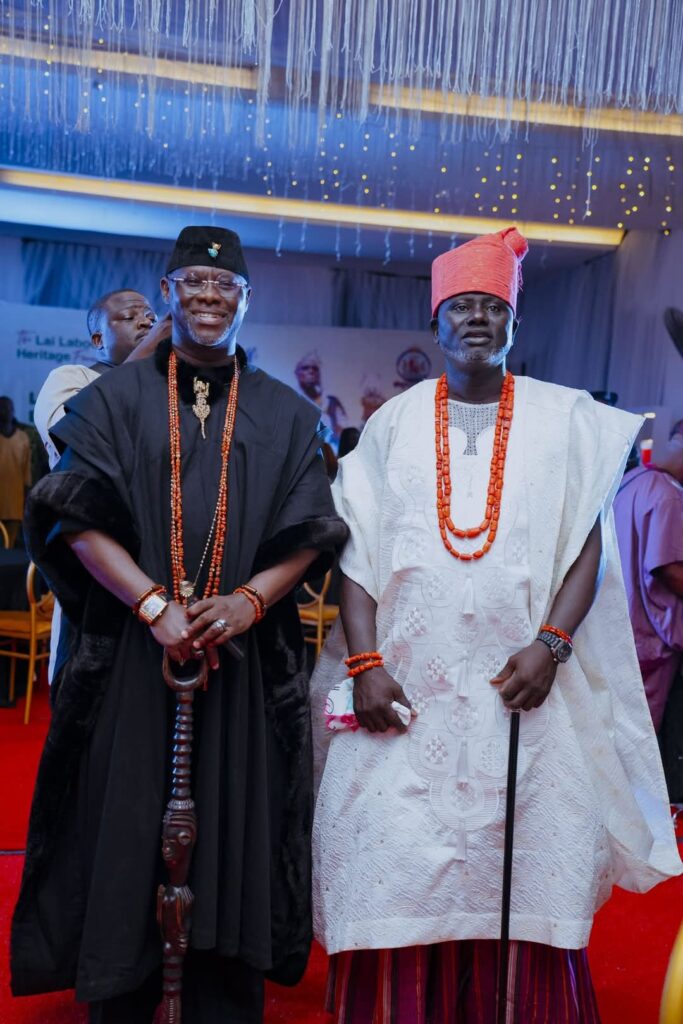
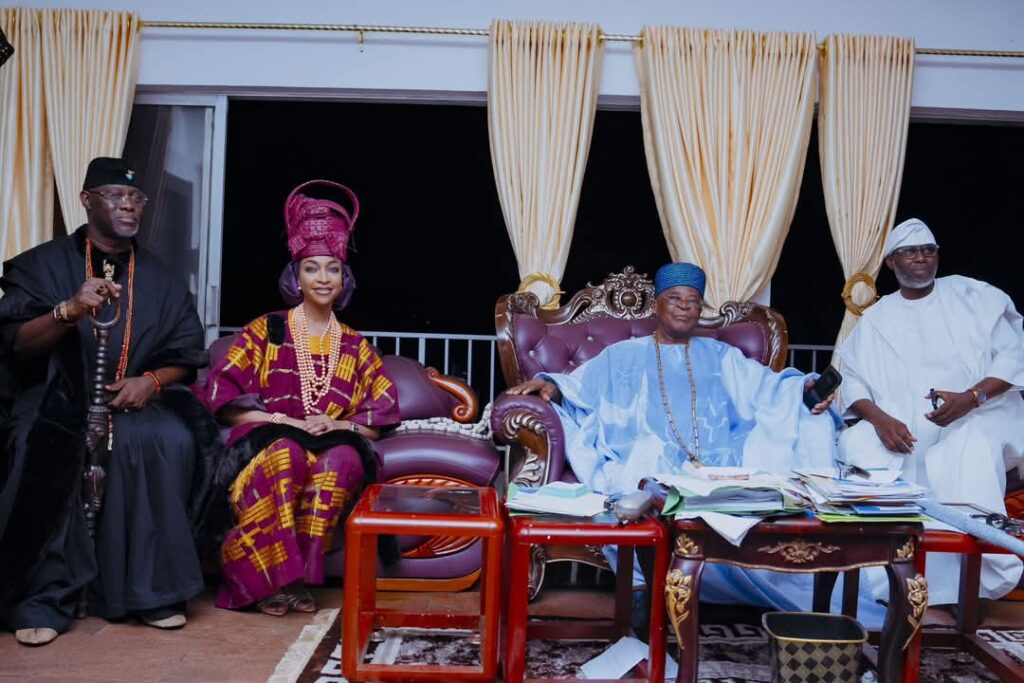
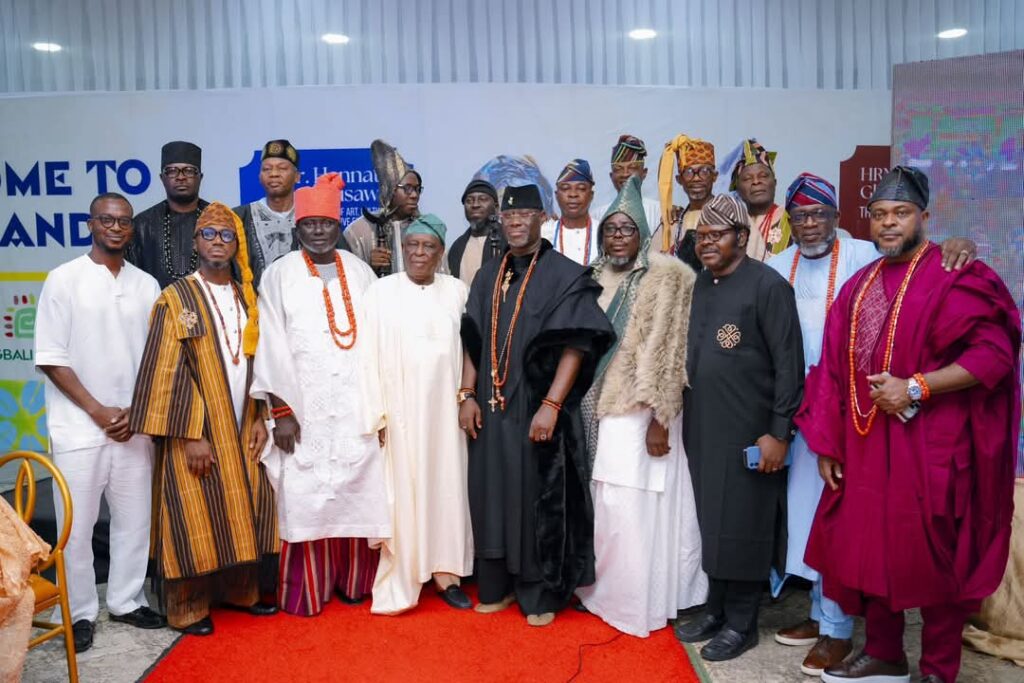
In attendance were notable dignitaries including the Deputy Governor of Ogun State, Engr. Noimot Salako-Oyedele, FNSE; His Royal Majesty Oba Adedotun Aremu Gbadebo III, CFR, the Alake and Paramount Ruler of Egbaland; the Oluwu of Owu, Oba (Prof.) Saka Adelola Matemilola Oluyalo Otileta VII; Egba Statutory Chiefs; and a host of other distinguished personalities.
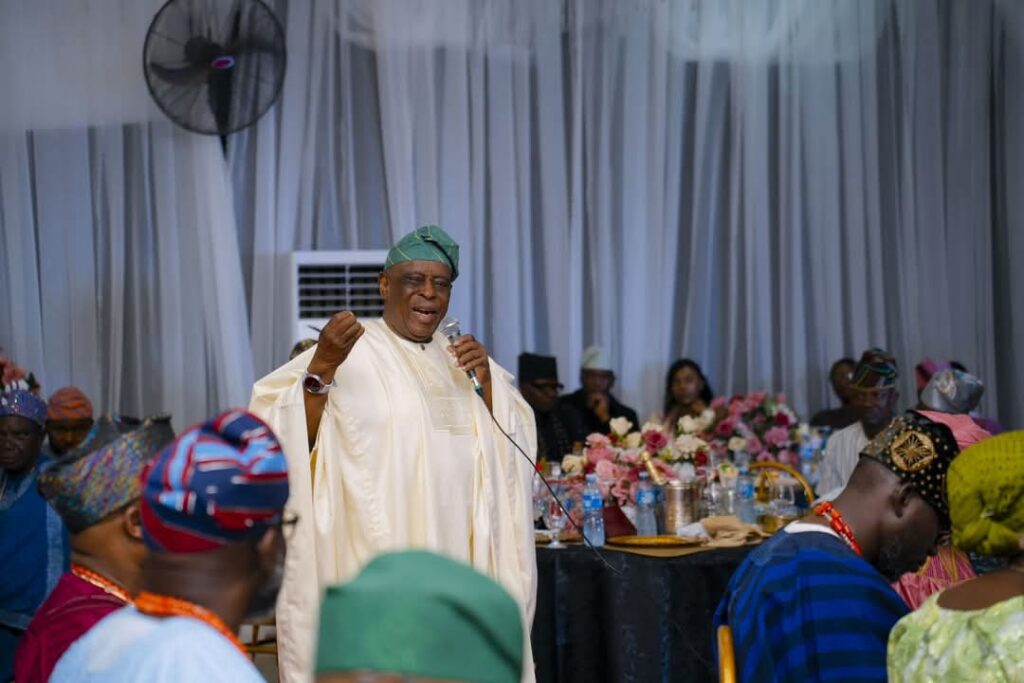
“The Honourable Minister stood with us, proudly adorned in our traditional attire, as we stepped forward to lead the African Fashion Renaissance,” said Chief Lai Labode in his speech. “This collaboration is not only a declaration but a commitment to telling our authentic African stories through fashion—stories that have long been told by others.”
In a move that underscores the Egba people’s enduring legacy as pioneers, Chief Labode also announced plans for “Egbaliganza 2026”, an elaborate cultural festival set to become the stage for the first-ever “African Fashion Olympics”. This event will include the “Africa Cultural Fashion Exchange”, a cross-continental initiative expected to bring together over 50 countries alongside the newly formed Nigerian Fashion Federation and the Confederation of African Fashion.
A key highlight of Egbaliganza 2026 will be the signing of the Africa Fashion Charter in Egbaland—an unprecedented continental agreement aimed at uniting African fashion stakeholders under one visionary framework.
“This is not just for the Egba people,” Chief Labode noted passionately. “This is Africa’s moment. We are reclaiming our narrative, and the world will witness our renaissance in style, culture, and economic influence.”
The dinner, while intimate, carried the weight of a continental movement now in motion—one where heritage and haute couture intersect, and where Africa finally takes its rightful place as a global fashion powerhouse.