Addis Ababa–
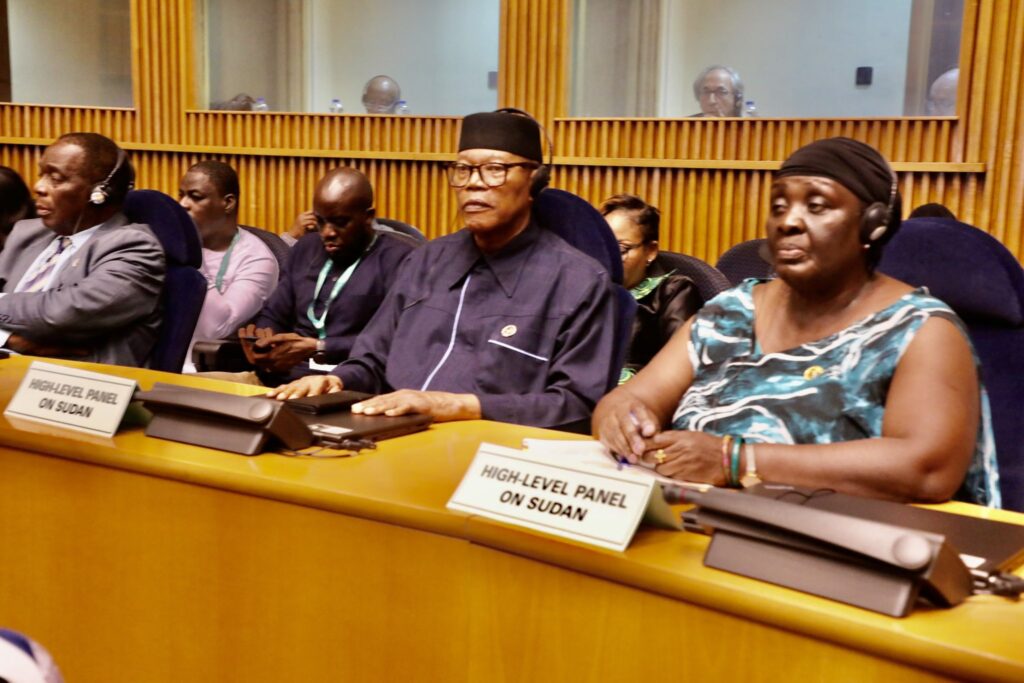
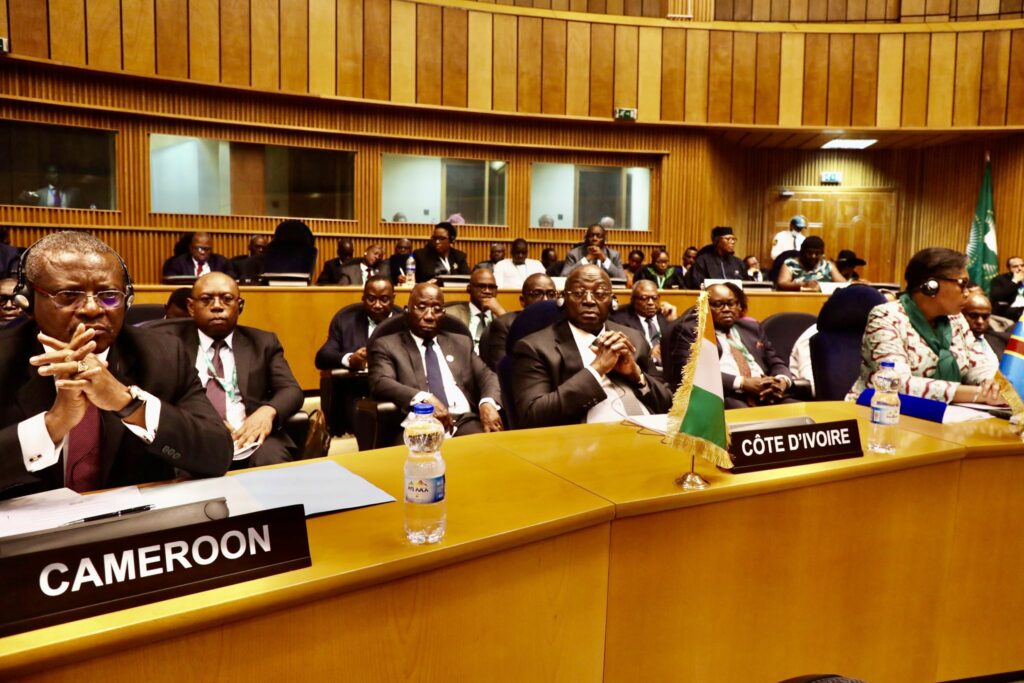
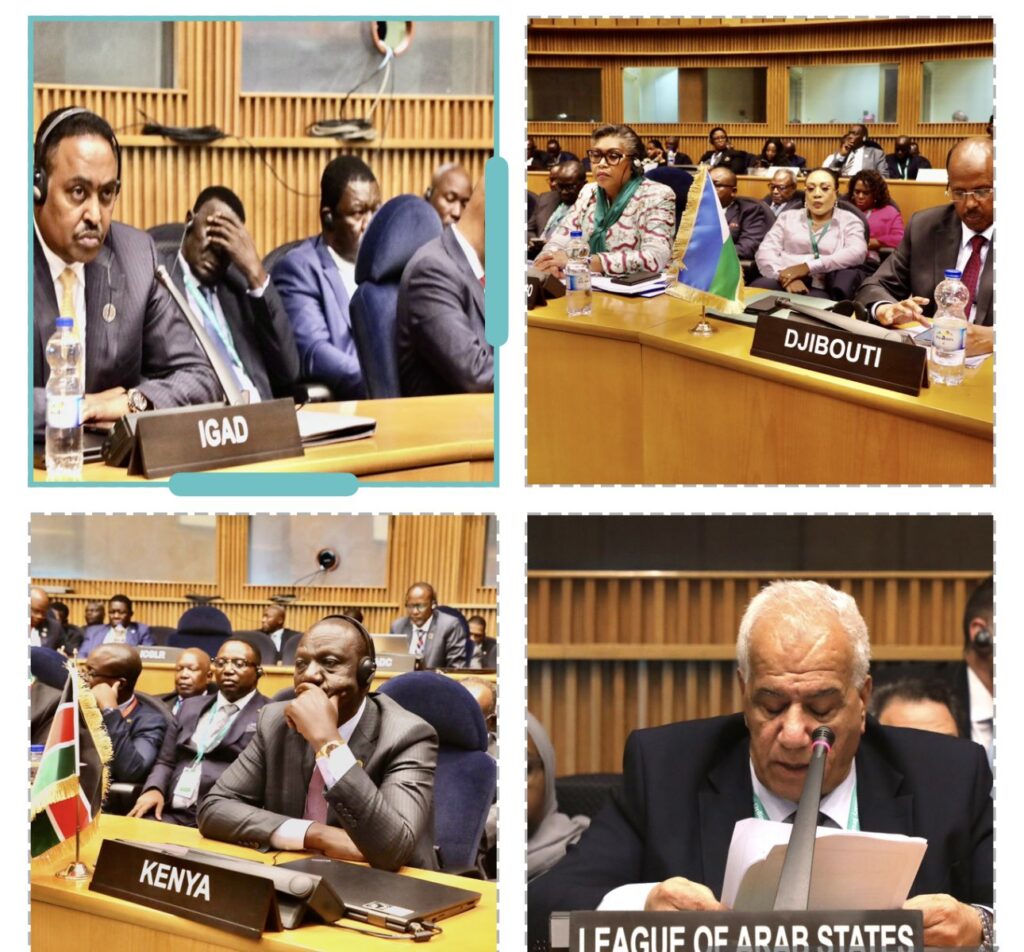
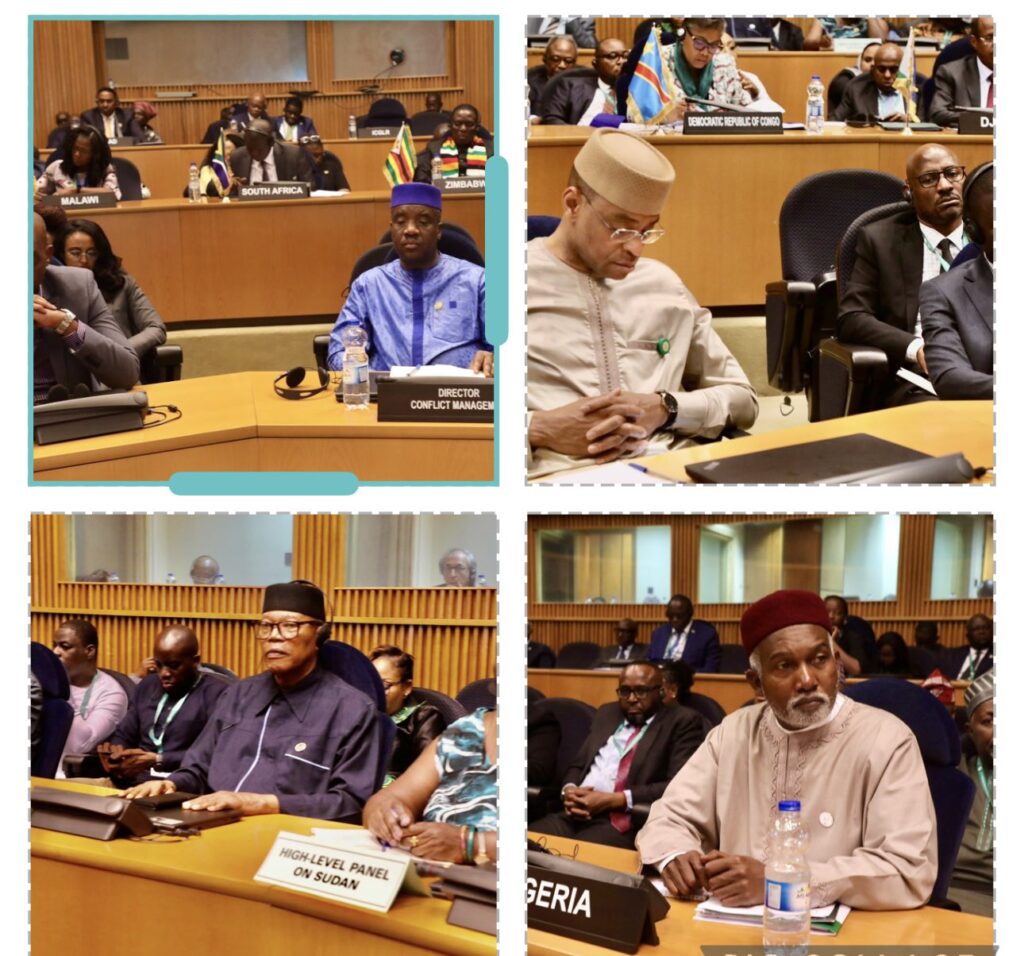
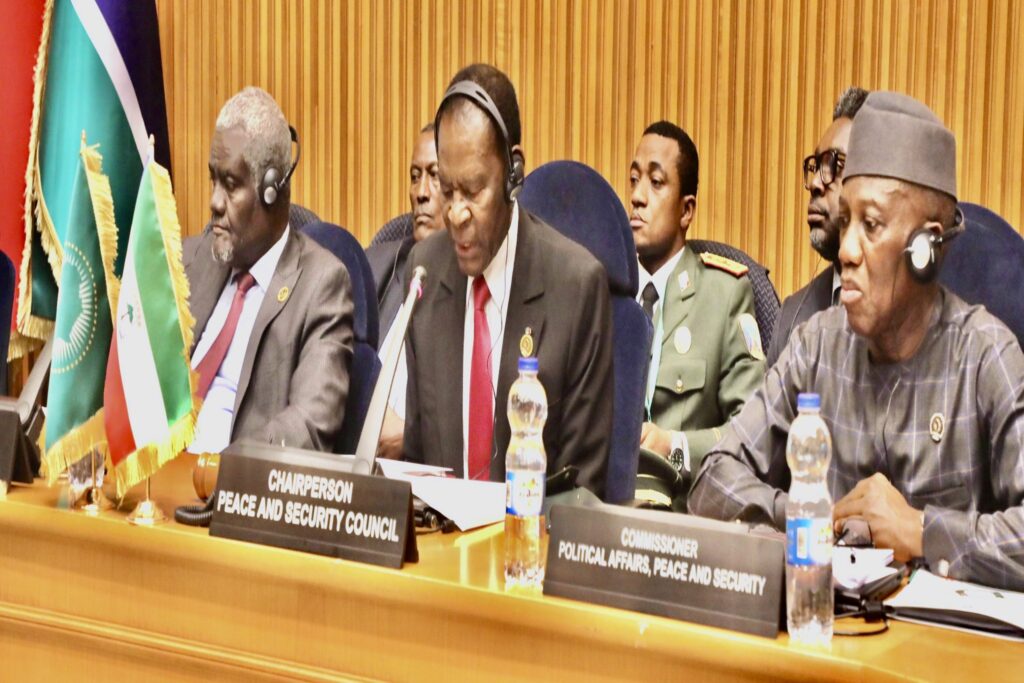
The African Union (AU) Peace and Security Council (PSC) convened at the highest level on during the ongoing AU Summit in Addis Ababa, Ethiopia bringing together Heads of State and Government to deliberate on the worsening conflicts in Sudan and the eastern Democratic Republic of Congo (DRC). The urgent meeting, chaired by H.E. Teodoro Obiang Nguema Mbasogo, President of Equatorial Guinea and the PSC Chairperson for February, underscored the AU’s commitment to finding lasting solutions to the crises destabilizing both nations.
A Region in Turmoil
Sudan’s Prolonged Conflict
Since April 2023, Sudan has been gripped by a brutal war between the Sudanese Armed Forces (SAF) and the paramilitary Rapid Support Forces (RSF). The conflict has led to mass displacement, humanitarian catastrophes, and a fractured political landscape, with peace efforts struggling to gain traction. As rival factions continue to fight for control, millions of civilians remain caught in the crossfire, suffering from food shortages, collapsed infrastructure, and limited humanitarian access.
Despite several attempts at ceasefire negotiations—including efforts led by IGAD, the AU, and international actors like the United States and Saudi Arabia—the warring parties have failed to reach a sustainable agreement. The AU PSC urged all sides to commit to an immediate cessation of hostilities and return to political dialogue, warning that further instability could spill over into neighboring countries.
Eastern DRC: A Flashpoint for Conflict
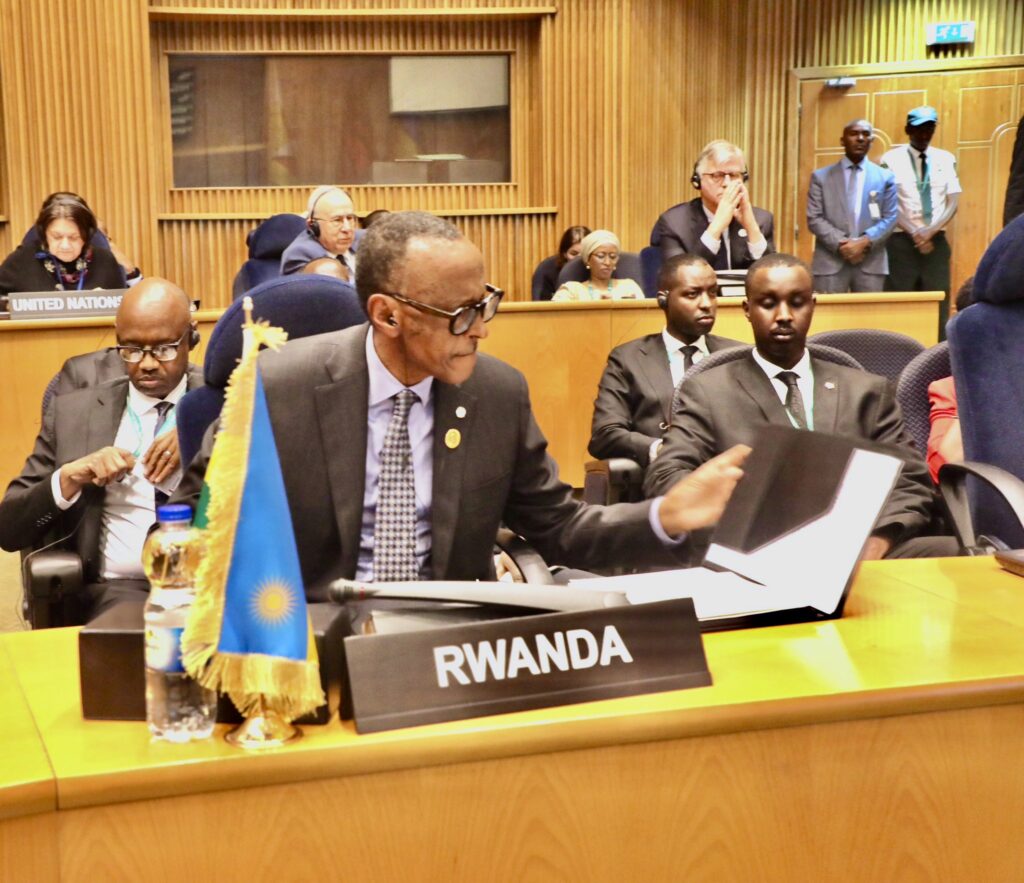
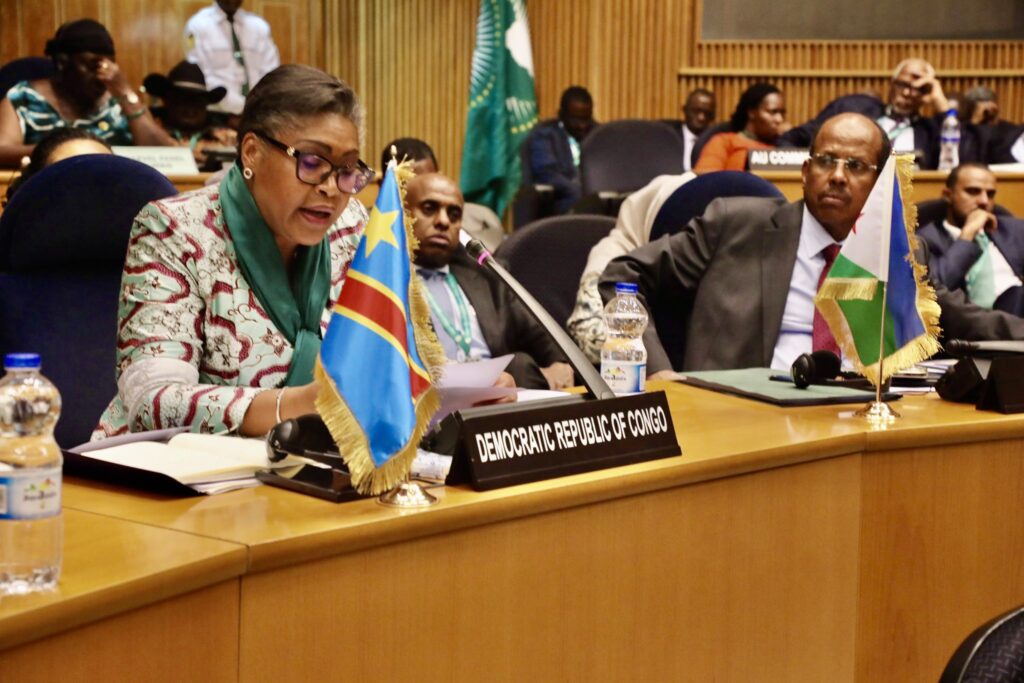
Meanwhile, the eastern Democratic Republic of Congo remains a hotspot of violence, with armed groups such as the March 23 Movement (M23), Allied Democratic Forces (ADF), and various local militias continuing to engage in deadly clashes. The resurgence of M23, in particular, has exacerbated tensions between the DRC and Rwanda, with Kinshasa accusing Kigali of supporting the rebel group—an allegation Rwanda has denied.
The region’s insecurity has forced millions to flee their homes, increasing the humanitarian burden on already strained resources. The East African Community (EAC) and the Southern African Development Community (SADC) have deployed military forces in attempts to stabilize the situation, but peace remains elusive.
In response, the AU leaders renewed calls for a diplomatic resolution and a strengthened regional security framework, emphasizing that foreign involvement and proxy conflicts must be halted to prevent further destabilization.
The AU’s Position and Next Steps
During the high-level meeting, the PSC strongly condemned the ongoing violence in both Sudan and the DRC, emphasizing the urgent need for a comprehensive and African-led solution. The Council called for:
- An immediate ceasefire in both conflict zones to allow humanitarian aid to reach affected populations.
- A reinforced AU mediation role, working in collaboration with regional organizations like IGAD, EAC, and SADC.
- Stronger enforcement of existing peace agreements to hold violators accountable.
- Increased diplomatic engagement with international partners to ensure coordinated support for peace efforts.
President Obiang Nguema Mbasogo, in his closing remarks, reaffirmed the AU’s commitment to maintaining peace and security across the continent. “The African Union cannot stand by while millions of our people suffer. We will intensify our efforts to bring an end to these conflicts and ensure Africa remains a continent of peace, unity, and progress,” he stated.
As the AU pushes for de-escalation and a final resolution, the coming weeks will be critical in determining whether diplomatic pressure and regional cooperation can finally bring relief to the people of Sudan and the eastern DRC.